What Are Veneers: Are They Right for Sensitive Teeth?
Wiki Article
The Full Review of Veneers: Kinds, Makes use of, and Their Impact on Your Smile
Veneers serve as a prominent remedy for people seeking to enhance their oral looks. These custom-crafted coverings can successfully mask flaws such as staining and gaps. With two primary types readily available, porcelain and composite material, each deals distinct benefits and constraints. The impact of veneers expands past simple appearance, affecting self-confidence and social communications. Understanding their advantages and types is important. What might this mean for one's overall top quality of life?Understanding Veneers: What They Are and How They Work
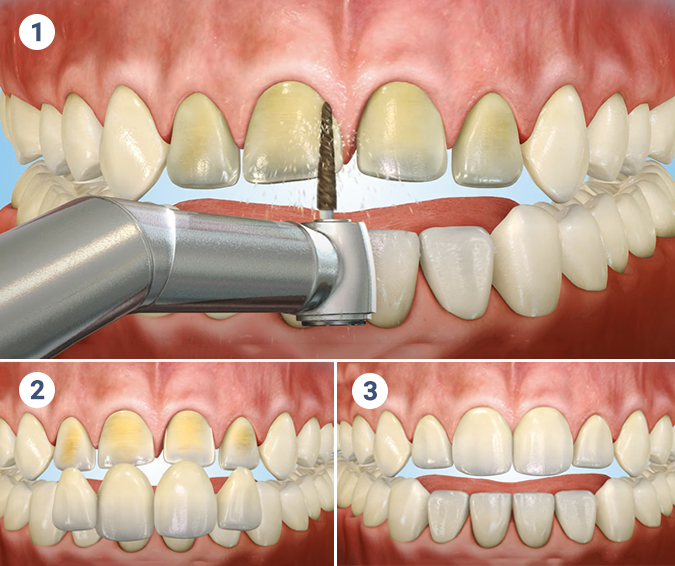
Veneers are slim coverings, normally made from porcelain or composite material, that are custom-crafted to fit over the front surface area of teeth. They serve both functional and aesthetic objectives, supplying a remedy for different oral imperfections such as discoloration, spaces, and small misalignments. By adhering to the tooth enamel, veneers develop a natural look while improving the shape and color of the teeth.The procedure generally entails a preliminary consultation, where a dental professional evaluates the individual's demands and goes over desired end results - What Are Veneers. Following this, a marginal amount of enamel might be removed to suit the veneer. Impressions of the teeth are then taken to ensure an exact fit. When fabricated, the veneers are bound securely to the teeth making use of an unique oral adhesive. This procedure not only improves the smile's appearance yet also helps protect the underlying teeth from further damage, making veneers a popular choice for lots of seeking a smile makeover
Sorts of Veneers: Porcelain vs. Compound Resin
The difference in between porcelain and composite material veneers exists in their product structure and characteristics. Each kind provides differing levels of longevity, cost, and long life, affecting patients' options based on their private demands. Comprehending these distinctions is important for making an informed decision relating to oral enhancements.Product Differences Explained
While both porcelain and composite resin veneers serve the very same cosmetic function, they vary considerably in product residential or commercial properties, sturdiness, and aesthetic outcomes. Porcelain veneers are crafted from a ceramic product that resembles the all-natural translucence of teeth, offering a natural appearance. Their smooth surface area is immune to discoloration, making them an appealing option for those seeking a resilient visual. In comparison, composite material veneers are made from a tooth-colored plastic material, offering adaptability and ease of application. They may not achieve the exact same level of brightness or clarity as porcelain. In addition, composite veneers can be much more quickly formed and repaired, making them an extra versatile option in specific oral scenarios. Each type presents unique benefits tailored to individual preferences.Durability and Toughness
When contrasting porcelain and composite resin veneers, long life and toughness are significant factors. Porcelain veneers are understood for their toughness, typically long-term 10 to 15 years with appropriate care. Their durability against damaging and staining makes them a popular option for people looking for long-lasting outcomes. In contrast, composite resin veneers normally have a shorter life-span, balancing 5 to 7 years. While they can be fixed a lot more conveniently if damaged, they are extra prone to put on and discoloration gradually. The option in between these products typically depends on the individual's way of life, visual goals, and maintenance choices. Ultimately, comprehending the differences in longevity and durability can direct patients in selecting the veneer kind that finest fits their demands.Price Comparison Insights
When picking between porcelain and composite resin veneers, cost is a crucial consideration. Porcelain veneers typically range from $800 to $2,500 per tooth, reflecting their durability, aesthetic appeal, and resistance to discoloration. These veneers require a much more comprehensive treatment and specialized laboratory work, contributing to their greater price. On the other hand, composite material veneers are generally more budget friendly, costing between $250 and $1,500 per tooth. They can be applied in a single browse through, which decreases labor expenses. However, composite veneers might require extra frequent replacements, potentially increasing long-lasting costs. Inevitably, the option in between porcelain and composite resin veneers depends on specific budgets and desired results, balancing first costs versus durability and visual outcomes.The Benefits of Picking Veneers for Your Smile
Choosing veneers offers substantial benefits for those looking for an enhanced smile. Their enhanced visual charm can change the appearance of teeth, while their stain-resistant homes guarantee a long lasting brightness - Veneers Teeth. This combination makes veneers a preferred option for individuals wanting to attain a remarkable smileBoosted Aesthetic Allure
When individuals look for to improve their smiles, veneers typically become a favored solution as a result of their transformative aesthetic benefits. These thin coverings, commonly made from porcelain or composite resin, can successfully hide blemishes such as chips, gaps, and imbalance. By mimicking the natural appearance of teeth, veneers supply a seamless, radiant smile. Their personalized nature permits for a customized approach, making it possible for people to select shades and forms that best match their facial functions. Additionally, veneers can develop a consistent appearance, improving total face symmetry. This visual enhancement not just increases self-confidence but can also positively affect social communications and individual connections, making veneers a preferred option for those seeking to accomplish a brighter, much more attractive smile.Discolor Resistance Conveniences
Veneers not only enhance visual appeal but also use significant discolor resistance, making them an attractive alternative for individuals concerned regarding preserving an intense smile. Composed of sturdy products such as porcelain or composite resin, veneers are less porous than all-natural teeth, which helps protect against the absorption of discolorations from usual culprits like coffee, tea, and merlot. This intrinsic discolor resistance permits individuals to enjoy their preferred drinks without fretting about staining. Veneers Teeth. Additionally, the smooth surface of veneers makes them less complicated to tidy, more improving their long life and maintaining their beautiful look. As a result, veneers provide a sensible option for those seeking both charm and capability in their dental careThe Process of Getting Veneers: What to Anticipate

Although the procedure of getting veneers may appear intimidating, recognizing the steps included can relieve concerns. An appointment with a dentist is needed to identify if veneers are the suitable service for the person's oral concerns. Throughout this appointment, the dental practitioner will discuss wanted results and take impacts of the teeth.
Next, a second consultation is scheduled for tooth preparation, where a percentage of enamel is normally gotten rid of to suit the veneers. Short-term veneers might be put while the custom-made ones are crafted in a dental lab, which usually takes a number of weeks.
Once ready, the dental practitioner will certainly place Veneers Teeth the veneers, making certain proper fit and shade before bonding them to the teeth using a special adhesive. After final adjustments, the dental professional will offer support on treatment. Recognizing these actions can aid people really feel a lot more comfy and notified throughout the veneer procedure.
Upkeep and Look After Your Veneers
Preserving veneers needs regular like ensure their durability and look. Proper dental health is important; cleaning two times daily with a non-abrasive tooth paste and flossing on a regular basis aid prevent plaque build-up around the veneers. Additionally, routine oral examinations are vital for monitoring the problem of the veneers and attending to any type of possible issues at an early stage.When attacking to prevent damage, clients need to stay clear of hard foods and too much force. It's also a good idea to limit consumption of tarnishing materials, such as coffee, tea, and merlot, as these can affect the veneers' color gradually.
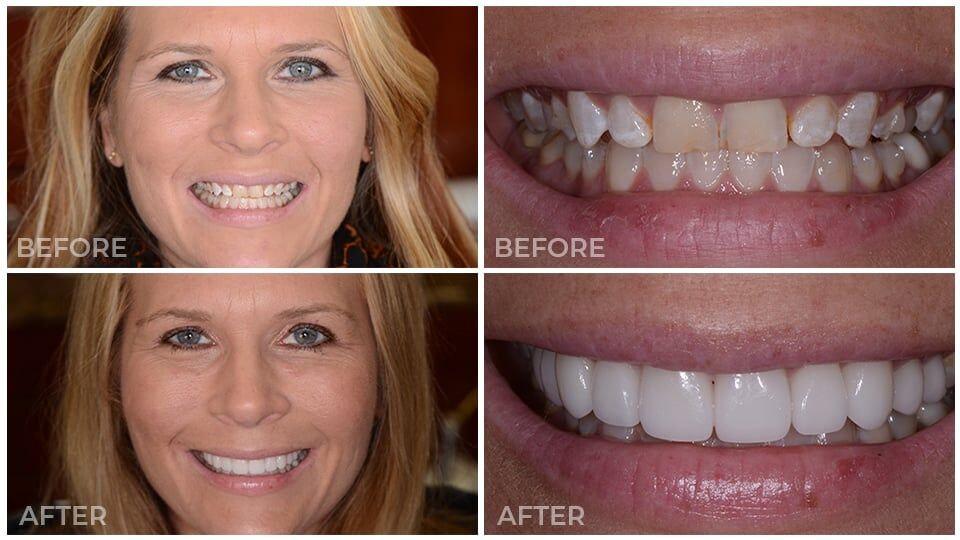
Transforming Your Smile: Real-Life Influence of Veneers
A glowing smile can substantially enhance one's self-confidence and general look. For many people, veneers act as a transformative service, effectively addressing different dental problems such as discoloration, gaps, and imbalance. These slim coverings, customized to fit over the front of the teeth, can create a harmonious and cosmetically pleasing smile.Real-life instances illustrate the extensive impact veneers can have. Individuals frequently report an immediate increase in self-confidence and social interactions following their treatment. The newfound confidence can lead to even more opportunities in specialist and personal life, as people feel even more likely to involve and reveal themselves.
In addition, the emotional benefits expand past mere look; lots of experience improved psychological health as they embrace their smiles. Subsequently, veneers not only enhance physical features however additionally contribute substantially to overall lifestyle, highlighting their worth in aesthetic dental care.
Regularly Asked Concerns
The Length Of Time Do Veneers Typically Last Before Needing Substitute?
Veneers typically last between 10 to 15 years prior to requiring replacement. Aspects such as dental health, dental practices, and the kind of product utilized can affect their durability and overall sturdiness. Regular oral check-ups are suggested.Can Veneers Be Eliminated, and if So, Just how?
Yes, veneers can be eliminated. A dental professional normally utilizes specialized tools to meticulously detach them from the teeth, guaranteeing marginal damages to the underlying enamel, usually adhered to by required adjustments or reconstructions for excellent aesthetics.Are Veneers Suitable for Every person's Dental Condition?
Will Getting Veneers Pain or Require Anesthesia?
Getting veneers normally includes marginal discomfort, and several patients obtain neighborhood anesthesia to ensure a pain-free experience. Sensitivity may happen momentarily afterward, however the majority of find the procedure tolerable and are pleased with the outcomes.Exactly How Do Veneers Affect Tooth Level Of Sensitivity After Placement?
Veneers can briefly increase tooth level of sensitivity due to the removal of enamel and the bonding procedure. Many people experience a decline in sensitivity with time as the teeth adapt to the brand-new veneers.Veneers are slim shells, normally made from porcelain or composite resin, that are custom-crafted to fit over the front surface of teeth. Porcelain veneers are crafted from a ceramic product that mimics the natural transparency of teeth, giving a lifelike look. Porcelain veneers commonly range from $800 to $2,500 per tooth, showing their longevity, aesthetic charm, and resistance to discoloration. In comparison, composite material veneers are typically a lot more affordable, costing between $250 and $1,500 per tooth. Made up of sturdy products such as porcelain or composite resin, veneers are less porous than natural teeth, which assists stop the absorption of discolorations from usual offenders like coffee, tea, and red a glass of wine.
Report this wiki page